

































TCB to begin selling packaged spices and tea in November

The state-run Trading Corporation of Bangladesh (TCB) plans to introduce selling of packaged turmeric powder, chili powder and tea in November as part of a strategy to expand its product range, generate additional income and reduce dependence on government subsidies.
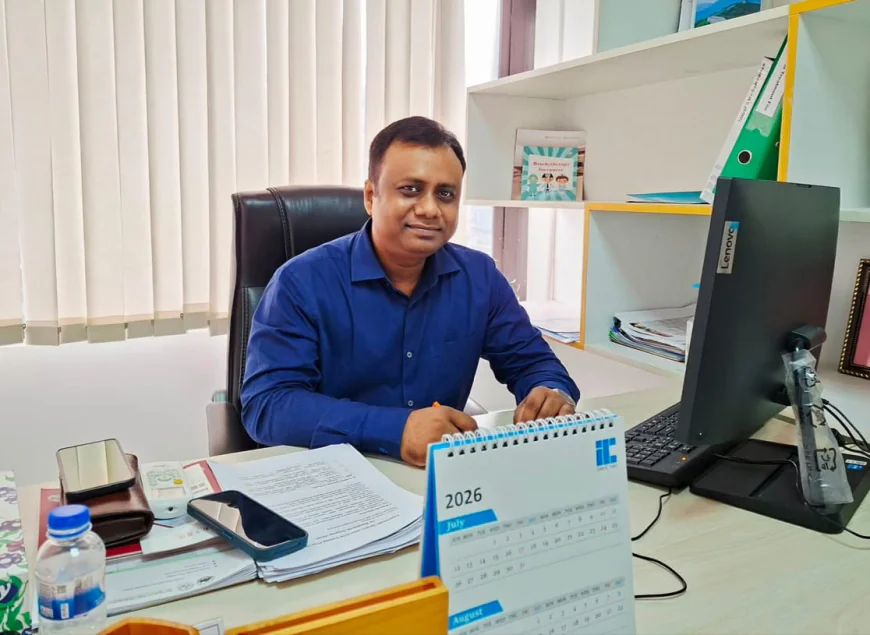
TCB Chairman Brigadier General Mohammad Foyshol Azad said the corporation was expanding its commercial product basket to offer consumers more household necessities at affordable prices while strengthening its financial position.
“We have already introduced soap and detergent. We plan to introduce turmeric powder and chili powder in packets from November. We have also received approval to sell tea, which we expect to introduce in November,” he said.
Azad said TCB was also planning to introduce flour (atta) and considering other products after assessing market demand.
“We are considering several other products and conducting market surveys. We will proceed with those products if the survey results prove favourable,” he said.
The initiative is part of TCB's plan to become financially self-reliant within four to five years by increasing revenue from commercial activities and reducing the burden on the government.
TCB has already introduced laundry soap, bathing soap, detergent and salt. These products are sold below prevailing market prices but above procurement costs, allowing the corporation to generate modest profits while providing consumers with affordable household goods.
TCB earned Tk 24.37 crore in profit in fiscal year 2025-26 from its commercial activities.
Azad said expanding the product range and reaching more customers would help the corporation generate additional income.
“The objective is to expand our product basket and generate additional income,” he said.
He added that TCB could generate around Tk 700 crore in additional revenue or financial benefits if its expanded product range reached one crore customers, although the actual return would depend on sales and operating performance.
TCB currently reaches around 50 lakh customers monthly through its additional products. It aims to increase the number to 70-80 lakh during the current fiscal year and reach one crore in the next fiscal year.
“We introduced these products only about four months ago. The response has not been bad, but we want to expand the customer base further,” Azad said.
The chairman said the expansion would not affect the prices of existing subsidised commodities. Consumers would be free to choose whether to purchase the new products.
“The government has no plan to increase the prices of the existing subsidised products. Those will continue to be sold at the current prices,” he said.
Asked whether the new products would be cheaper than market prices, Azad said, “Yes. The new products will also be cheaper than their prevailing market prices.”
He said TCB was pursuing a gradual expansion strategy rather than introducing all changes at once.
“Our objective is to expand TCB's product basket gradually so that consumers can purchase most of their regular household necessities from TCB outlets in one place,” he said.
The corporation is also exploring opportunities to sell essential commodities, including edible oil, pulses and sugar, outside its smart-card-based distribution programme.
A pilot initiative involving edible oil is underway, and TCB has invited applications from prospective dealers for the planned sales programme.
Alongside product diversification, TCB is taking steps to reduce financing and operational costs. These include purchasing sugar and lentils with cash instead of relying on bank financing, using private banks offering comparatively lower interest rates and collecting sales proceeds directly into its bank account through an application programming interface (API).
The corporation has also shifted to distributing products directly from its regional warehouses to reduce transportation, handling and related expenses.
Azad said product diversification was essential to reducing the subsidy burden while maintaining affordable prices for consumers.
“We can’t reduce the subsidy burden simply by cutting expenses. We must also increase our income,” he said.
The corporation expects the addition of spices, tea and other household necessities, alongside an expanding customer base, to strengthen its commercial operations and support its long-term goal of financial self-reliance.
Mentioning that the new products will also be cheaper than their prevailing market prices, he said, “That is why we have adopted a gradual, four-to-five-year plan. We can’t make all the changes at once,”
Azad further said, “We have already introduced some products and we plan to add more items over the coming months.”
He said if consumers can buy their regular grocery items from TCB at lower prices, they could save several thousand Taka a year.
“We want people to visit TCB outlets and purchase the essential products they need every month…the product basket will gradually expand. However, we must increase the number of products to reduce the subsidy burden and generate additional income.” He added.
Onion procurement depends on market conditions:
On procurement planning, Azad said sugar and other regular commodities remained part of TCB's procurement activities, while toilet soap and laundry soap were also procured according to operational requirements.
Onions and potatoes, however, were not necessarily procured throughout the year as regular commodities. TCB purchases those when the government considers market intervention necessary, he said.
“We procured onions in 2022, 2023 and 2024. At present, there is no onion crisis, so we have no immediate plan for additional procurement,” he said.
He said onions and potatoes were not included in TCB's regular procurement plan unless market conditions required the corporation to intervene.
The approach allows TCB to respond to market conditions and government requirements rather than procure these products continuously irrespective of demand and supply conditions.






 Sponsored by