















Home Minister Stresses Modern Border Management for Growth and Security
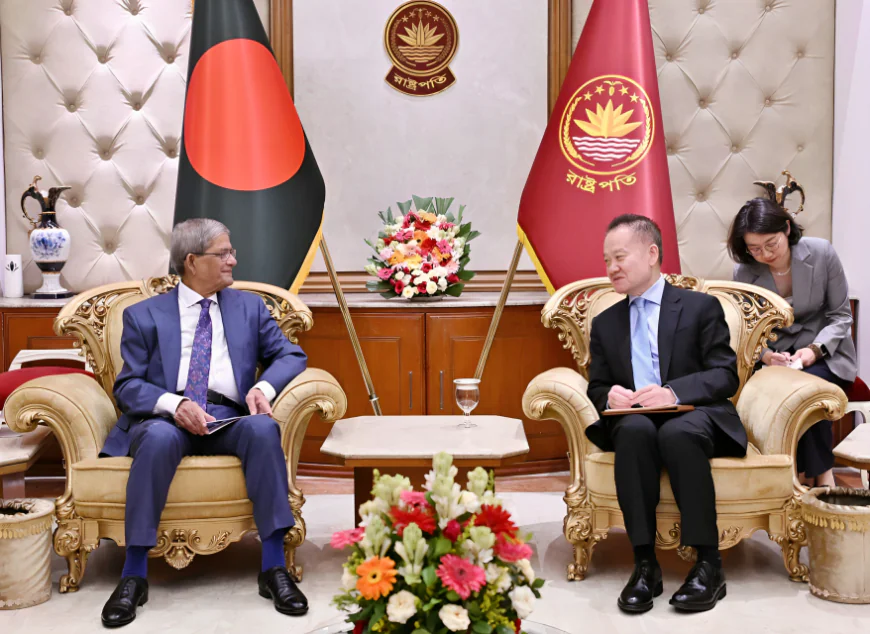
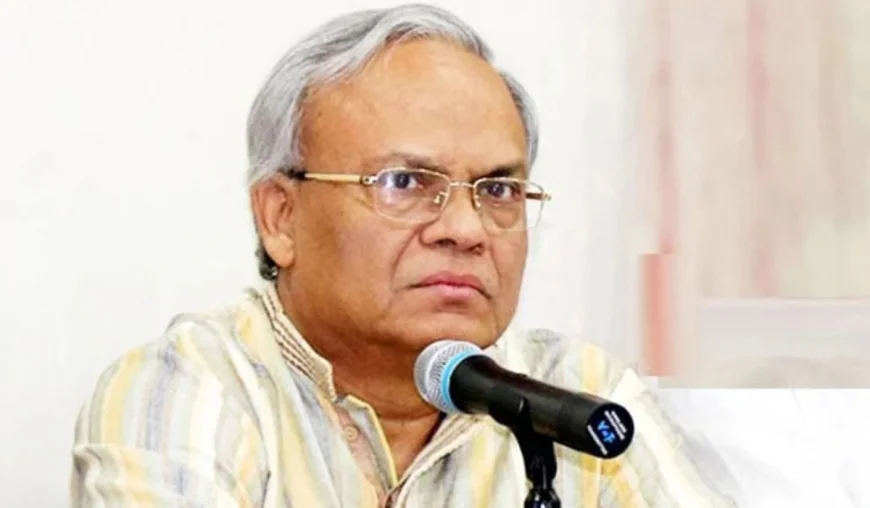
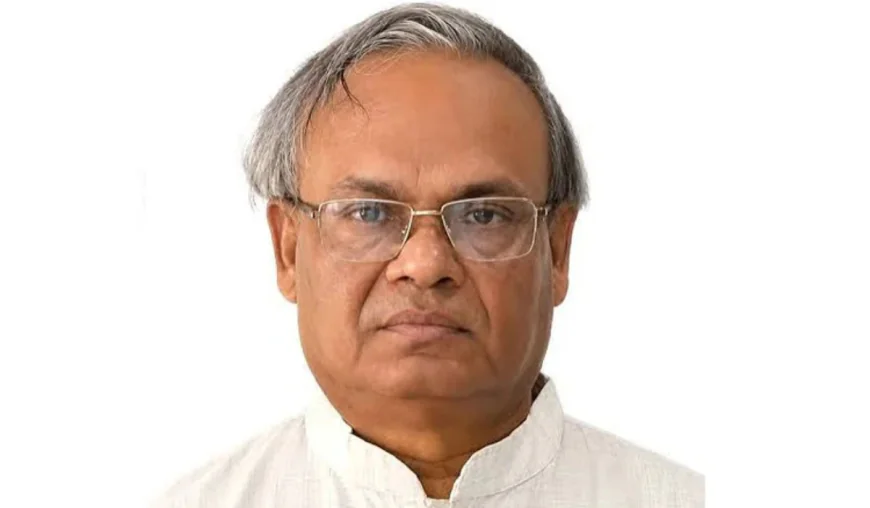
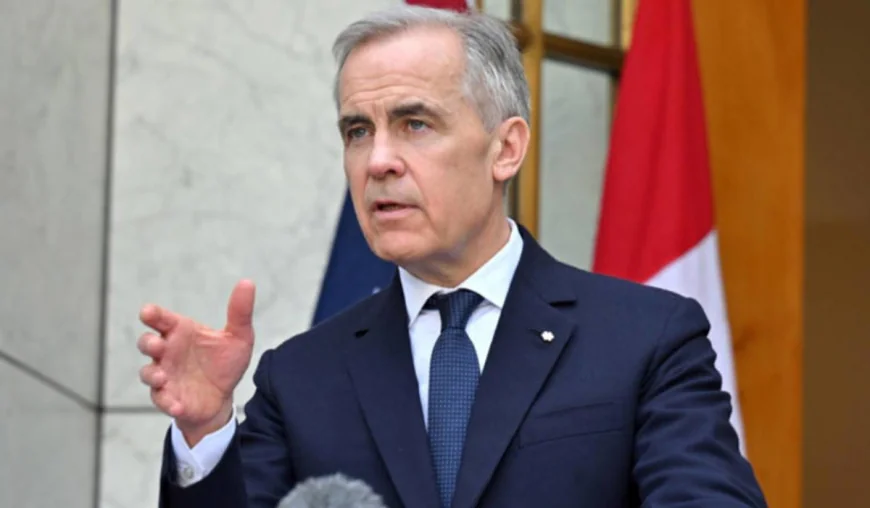
Home Minister Salahuddin Ahmed today underscored the need for an integrated and technology-driven border management for the country's economic growth and national security.
"Bangladesh is now more connected with the rest of the world than ever before...The government is working ceaselessly to develop a technology-driven, internationally compliant immigration system to facilitate international travel and trade while addressing cross-border security threats," he said.
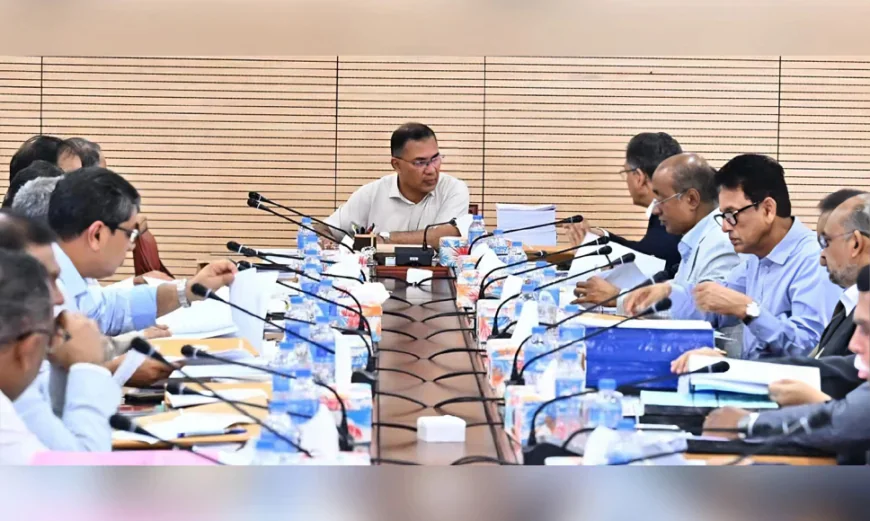
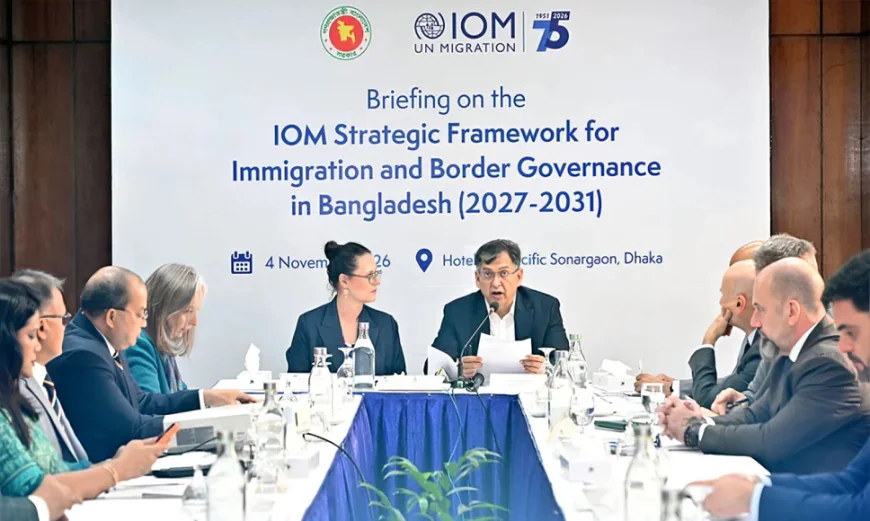
The minister was addressing a briefing session titled “IOM Strategic Framework for Immigration and Border Governance in Bangladesh (2027–2031)” as the chief guest. International Organization for Migration (IOM) organised the event at Pan Pacific Sonargaon Hotel in the city.
The minister said border management must ensure national security simultaneously facilitating legitimate travel and trade.
Referring to the government's National Integrated Border Management Strategy 2026–2031 and the Five-Year Strategic Framework for Reform and Development 2026–2031, he identified digital transformation, responsible use of artificial intelligence (AI), paperless administrative processes and greater interoperability among government services as key priorities.
Highlighting the important role of the Special Branch (SB) of Bangladesh Police in immigration management, the minister said operational capabilities at airports, land ports and immigration checkpoints must be significantly enhanced through a combination of sound policies and modern technology.
He stressed that border management should not be limited to technological advancement but must uphold human rights, ensure protection and maintaining professional standards.
Emphasizing inter-ministerial coordination to combat transnational crime, human trafficking and irregular migration, the Home Minister said border management was not the responsibility of any single agency; rather it required coordinated efforts from all relevant ministries, departments and law enforcement agencies.
The minister welcomed IOM's proposed Strategic Framework for 2027–2031 and called for continued support in developing an internationally compliant border management system in Bangladesh.
He urged development partners to increase their technical and financial assistance, noting that international investment would not only strengthen Bangladesh's border security but also contribute significantly to regional stability and safe globalization.
Speaking at the briefing, Dr. Laura Tomm Bonde, Chief of Mission of IOM Bangladesh, said Bangladesh had already made significant strides in strengthening its immigration and border management capacities.
She noted that changing travel patterns and operational requirements would increase the need for effective systems, skilled personnel and better coordination among relevant agencies.
IOM, she added, was keen to support the government's priorities through technical expertise and partnerships.
Participants exchanged views on ways to facilitate legitimate travel and trade while addressing challenges such as human trafficking, cross-border crime and identity fraud.
The proposed strategic framework identifies four key areas for potential cooperation: integrated border management; digital systems and information sharing; institutional and professional capacity development; and infrastructure and service improvements at selected border points.
The framework has also taken into consideration the government's five-year Strategic Framework for Reform and Development covering July 2026 to June 2031.
 Sponsored by