




















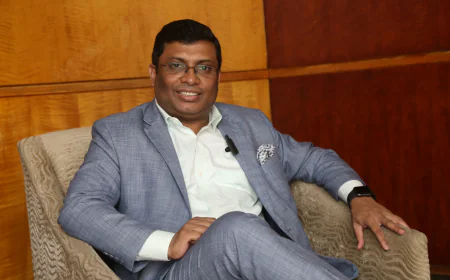







Nilphamari General Hospital image has changed under strict supervision
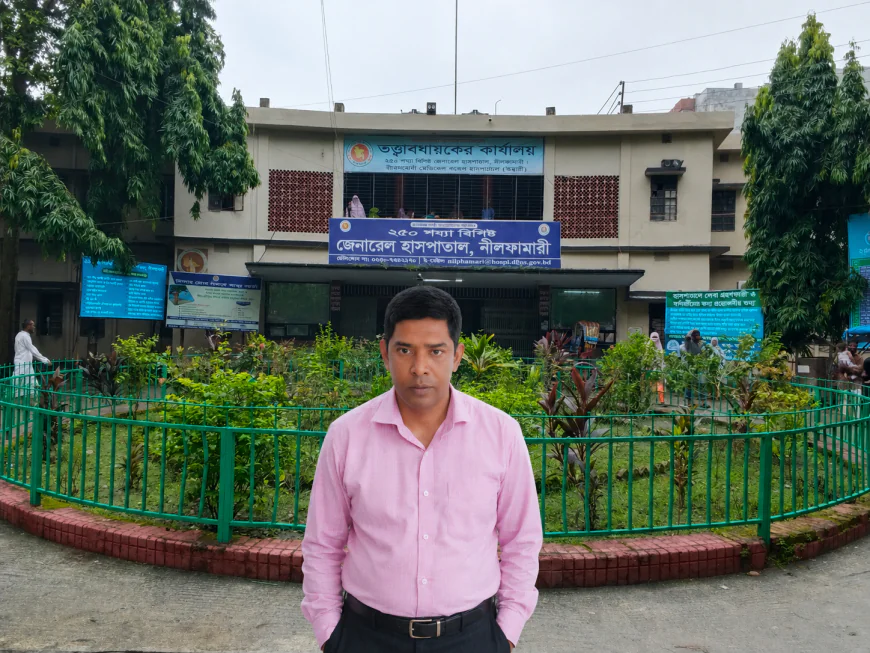
Once upon a time, when people heard the name of the 250-bed Nilphamari General Hospital, images of unclean environment, stench, long waits and various sufferings in services would come to mind. Dirt and garbage used to accumulate in various wards, corridors and drains of the hospital. Complaints from patients and relatives were also a daily occurrence.
However, in a few months, the image of the hospital has changed visibly. Now the hospital environment is much cleaner, discipline has come in the service and patient complaints have decreased. Those concerned said that this change has come about as a result of regular supervision, cleanliness drives, improvement of service quality and initiatives to ensure accountability of officials and employees.
The deputy director of the hospital, Dr. Abdullahel Mafi, has been working on these issues with importance since taking charge. In addition to identifying problems by regularly inspecting various departments of the hospital, initiatives have also been taken to take immediate action.
A visit to the hospital showed that where there used to be a pile of dirt and stench next to the diarrhea ward, a small flower garden has now been created. The drains are being cleaned regularly. The wards, balconies and hospital courtyards are also clean.
Hospital sources said that currently 140 to 150 normal deliveries and 40 to 50 cesarean operations are being performed every month. An average of about 1,300 patients are receiving medical services and free medicines in the outpatient department every day. The 250-bed hospital admits 400 to 500 patients every day. Doctors, nurses and health workers are providing services despite the additional patient pressure.
To make medical services more modern and accessible, ultrasonogram services have been introduced for patients in the gynecology ward. Surgical facilities have also been improved and new medical equipment has been added. In addition, preparations are underway to launch the ICU and kidney dialysis units. However, due to lack of necessary manpower, these services have not yet been launched.
Rahima Begum, who came to the outpatient department for treatment, said, “Earlier, we had to wait for hours for a doctor. Now, we are getting treatment quickly according to the serial.”
Salam, who was admitted to the hospital, said, “The hospital is much cleaner now than before. There is no bad smell. We are also satisfied with the treatment.”
Another patient, Nazma Begum, said, “This time, I did not have to buy any medicine from outside when I came for treatment. I got all the medicine from the hospital. This is a great relief for the poor people.”
Deputy Director of the hospital, Dr. Abdullahel Mafi, said, “Our biggest responsibility is to restore people’s trust in government hospitals. Since I joined, I have given utmost importance to cleanliness, discipline and patient-friendly service. I visit every department of the hospital every day. If I see any irregularities or negligence anywhere, immediate action is taken.”
He said, “The number of patients in our hospital is much more than the beds. Still, doctors, nurses and health workers are providing services with sincerity. There are plans to start an ICU and kidney dialysis unit in the future. Once the manpower crisis is resolved, it will be possible to start these services quickly.”
He further said, “Our goal is not only to provide treatment, but also to ensure that patients receive treatment in a clean, safe and humane environment. As per the instructions of the Ministry of Health and the Directorate General of Health Services, we are working to make Nilphamari General Hospital an ideal government hospital in the northern region.”
According to locals, there is no alternative to proper leadership, regular supervision and accountability to improve the quality of services in government hospitals. The recent changes at Nilphamari General Hospital are an example of that. If this trend of development continues, the trust of the people of the district in government healthcare will increase further.