












Bobby Hajjaj calls for focus on five key areas in primary education reform
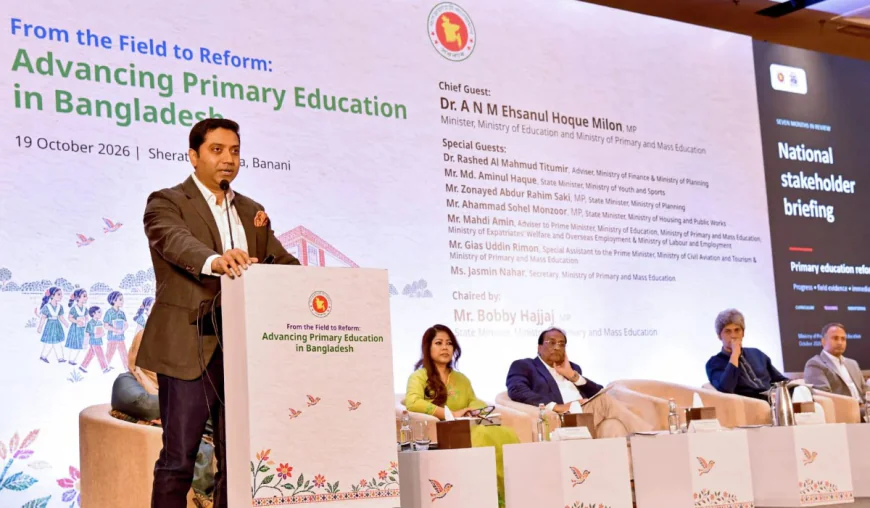
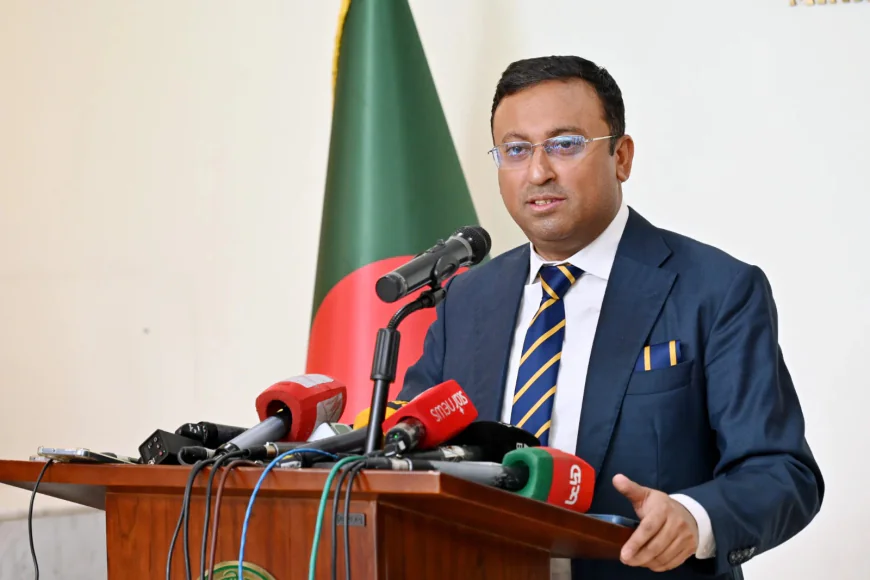
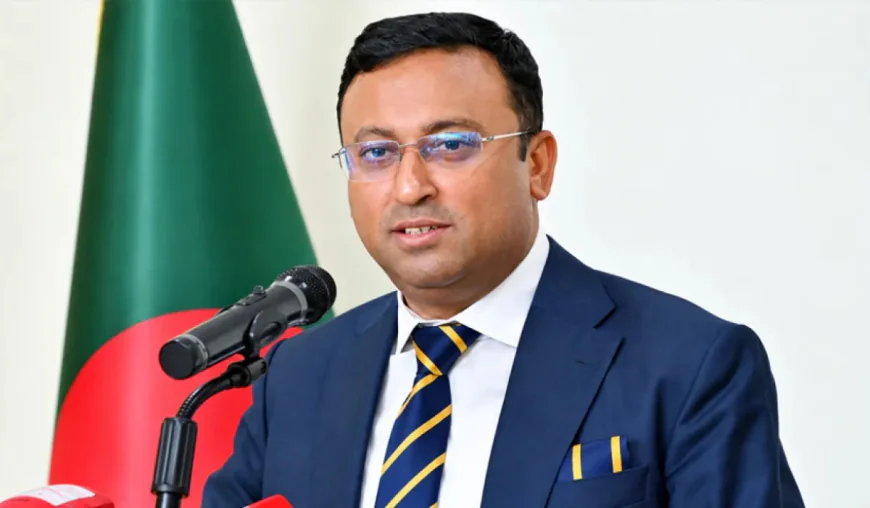
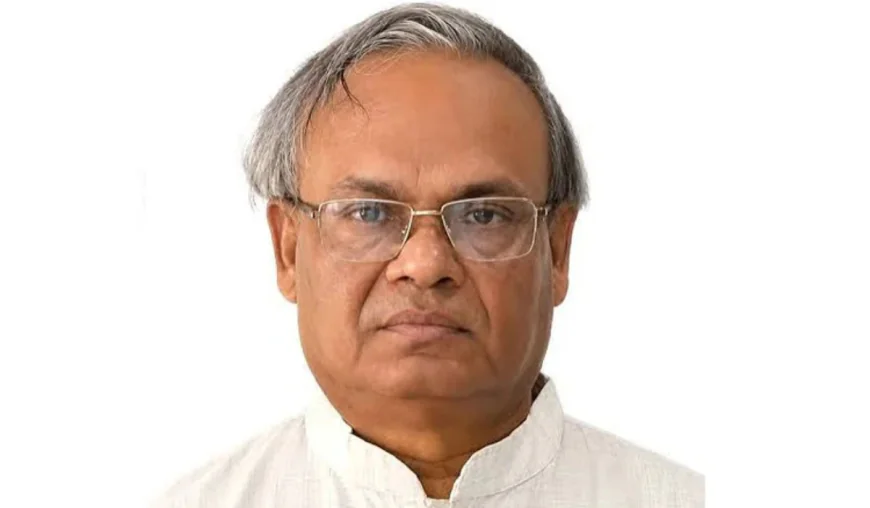
State Minister for Primary and Mass Education Bobby Hajjaj today said to improve the quality of primary education and implement desired reforms, a coordinated approach must be taken by prioritising five key areas-- curriculum, teachers, monitoring, infrastructure and technology.
He made the remarks while presiding over a national dialogue and experience-sharing workshop titled "From the Field to Reform: Advancing Primary Education in Bangladesh".
The Ministry of Primary and Mass Education, the Directorate of Primary Education and UNICEF jointly arranged the workshop at a city hotel.
Bobby Hajjaj said every aspect of primary education is closely interconnected while achieving the desired success is not possible if any one area is neglected.
Guided by the clear directives of Prime Minister Tarique Rahman, he said, the government is working to ensure educational opportunities for every child, improve the quality of education, foster moral values, and equip children with skills relevant to their future careers.
Referring to the review of feedback from over 3,000 stakeholders at the field level, Bobby Hajjaj said a learning-outcome-based and child-friendly education system is being developed, with the goal of launching a new curriculum in 2028.
This initiative will place special emphasis on enhancing proficiency in Bangla, Mathematics, and English while incorporating play-based learning, digital content, and practical learning activities, he said.
The state minister further mentioned that work is underway to formulate a comprehensive 'Teacher Policy' to ensure quality primary education.
Regarding monitoring, he explained that initiatives are being taken to enhance oversight through an 11-step school inspection protocol and the development of a digital information system.
In addition, he stressed construction of child-friendly infrastructure, taking into account specific geographical realities, such as those in river-erosion-prone and hilly regions.
Speaking as the chief guest at the event, State Minister for Planning Zonayed Abdur Rahim Saki said to improve the quality of primary education and curb dropout rates, it is essential to prioritise the status, remuneration, and professional competence of teachers apart from infrastructure development.
He noted that the government is working toward a goal of gradually allocating five percent of the GDP to the education sector, with two percent already earmarked for this sector in the first fiscal year.
Shahina Ferdousi, director general of the Directorate of Primary Education, delivered the welcome address at the event.
State Minister for Cultural Affairs Ali Newaz Mahmood Khyom, Md Moktar Ali, a member of the Parliamentary Standing Committee on the Ministry of Primary and Mass Education, Reza Kibria and Bithika Binte Hossain, members of the Parliamentary Standing Committee on the Ministry of Education, Gias Uddin Rimon, special assistant to the Prime Minister, and Rasheda K Choudhury, executive director of the Campaign for Popular Education (CAMPE), were present.
Senior officials from various ministries, representatives from domestic and international development partners, and members of civil society participated in the dialogue.


 Sponsored by