


























The playwright who gave voice to the soil
On his 77th birth anniversary, Jahangirnagar University honours Selim Al Deen’s enduring legacy and his search for the soul of Bengali theatre
Selim Al Deen found the soul of Bengali theatre in the village courtyards, folk songs, river memories, women’s grief, everyday struggles and stories passed down through generations.
He spent his entire life searching for the theatre that already existed in Bengal’s villages, oral traditions, forgotten histories and everyday lives. He brought that world to the stage and, in doing so, helped redefine Bengali theatre.
Rather than looking elsewhere for a theatrical identity, Selim Al Deen turned to Bengal’s own cultural memory. Folk traditions, regional speech, history and oral storytelling became the raw materials of a dramatic language distinctly his own. That search made him one of Bangladesh’s most influential playwrights.
Born on August 18, 1949, in Senerkhil village of Sonagazi, Feni, Selim Al Deen died on January 14, 2008. Nearly two decades later, his theatre continues to live, not only through performances of his plays, but also through the questions he raised about identity, history and the nature of Bengali drama.
Selim Al Deen’s theatre did not simply reproduce folk traditions, nor did it reject modern theatre. Instead, he brought the two into an original conversation.
In “Kittankhola”, “Keramatmangal”, “Hargaj”, “Jaibati Kanyar Mon”, “Haat Hodai”, “Chaka” and “Nimajjan”, he drew on folk traditions, regional language, history and the lives of ordinary people. His writing moved freely between prose and poetry, while spoken language and oral storytelling became powerful theatrical tools.
His theatre was at once poetic and earthy, deeply rooted in Bengal yet concerned with universal experiences of love, suffering, violence, displacement and survival.
Selim Al Deen’s contribution extended beyond playwriting. He researched and documented Bengali theatre and compiled and edited “Bangla Natyakosh”, regarded as the only Bengali theatre encyclopedia.
His works also travelled beyond Bangladesh. “Hargaj” was translated into Swedish and adapted into Hindi by India’s Rangakarmee theatre group.
His contribution to theatre earned him numerous honours, including the Ekushey Padak and Bangla Academy Award.
At Jahangirnagar University, Selim Al Deen’s legacy is more than a chapter in the history of theatre. It is part of the university’s cultural identity.
He played a key role in establishing the Department of Drama and Dramatics, helping turn JU into an important centre for theatre education and research. He also edited the department’s journal, “Theatre Studies”.
His grave on the campus has since become a place of annual remembrance.
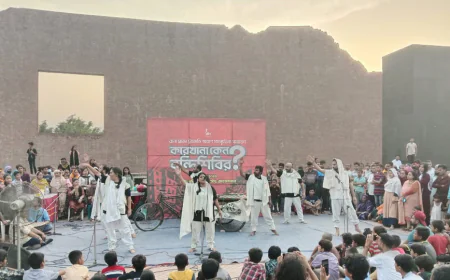
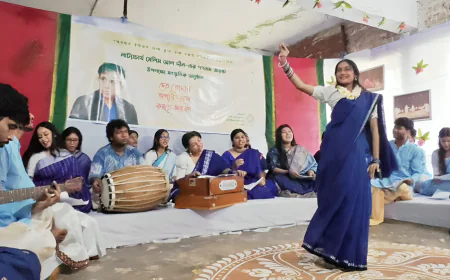
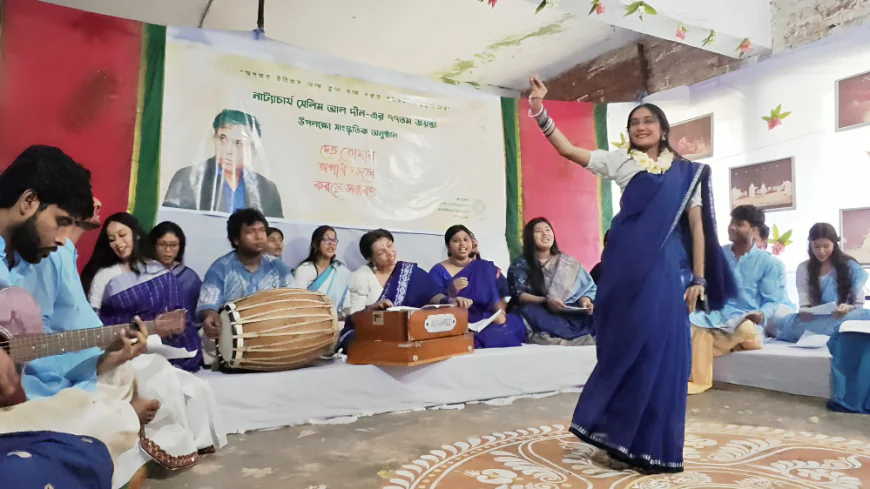
This year, the department marked his 77th birth anniversary with a daylong programme featuring music and dance, a procession, a floral tribute, a seminar and a theatre production.
The programme began at 9:30am with students performing songs and dance from his plays, followed by a procession and floral tribute at his grave. A seminar on audience-addressing techniques in kathanatya was later held at the Set Lab of the Old Arts Building.
The day’s final programme will return to the stage, with “Jaharnama”, written and directed by Anan Zaman, scheduled for 7:00pm at Lab-3 of the Zahir Raihan Auditorium.
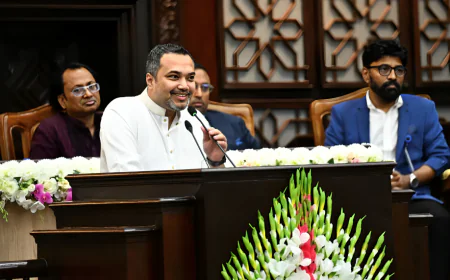
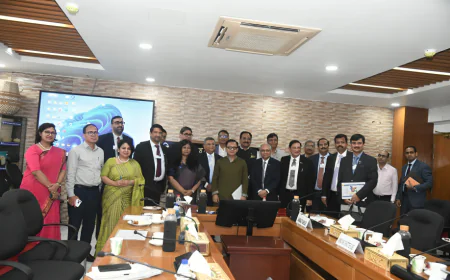
Mohibur Rouf Shaibal, convener of the Selim Al Deen 77th Birth Anniversary Celebration Council 2026, said the anniversary was an opportunity to revisit both the playwright’s legacy and the roots of Bengali theatre.
“His creative work has shown us a path to building our own theatrical language by going deep into our soil, people and history. His theatrical philosophy and works remain equally relevant and inspiring for a new generation of theatre practitioners,” he said.
However, other parts of Dhaka will also host several events to mark the day. Dhaka Theatre will stage Selim Al Deen’s “Nimajjan” today (August 18) at 7:00pm at the National Theatre Hall of Bangladesh Shilpakala Academy (BSA), directed by Nasir Uddin Yousuff. “Punnaho” and “Kutub” will also be staged today at the Experimental Theatre Hall and Studio Theatre Hall of BSA, respectively. “Jaharnama” will be staged at BSA tomorrow (August 19). On August 20, as part of the three-day “Natyacharya Selim Al Deen Birth Anniversary Festival 2026”, Swapnadal will stage Rabindranath Tagore’s “Chitrangada” at 5:00pm and 7:30pm at the Studio Theatre Hall, directed by Zahid Repon. Sundaram, a theatre organisation of persons with disabilities, will also stage “Eksathe Choli Eksathe Banchi” on August 20 at 7:00pm at the National Theatre Hall. On August 21, Swapnadal will present “Hargaj” at 5:30pm and 7:30pm at the Studio Theatre Hall of BSA.
These programmes across Dhaka and Jahangirnagar University reflect how deeply Selim Al Deen’s ideas continue to resonate with theatre practitioners today. His legacy continues to live through the stages, stories and cultural memory of Bengal. His search for a theatre rooted in the soil remains an enduring influence on generations of theatre practitioners.