


















Starmer Fights for Political Survival as Pressure Mounts
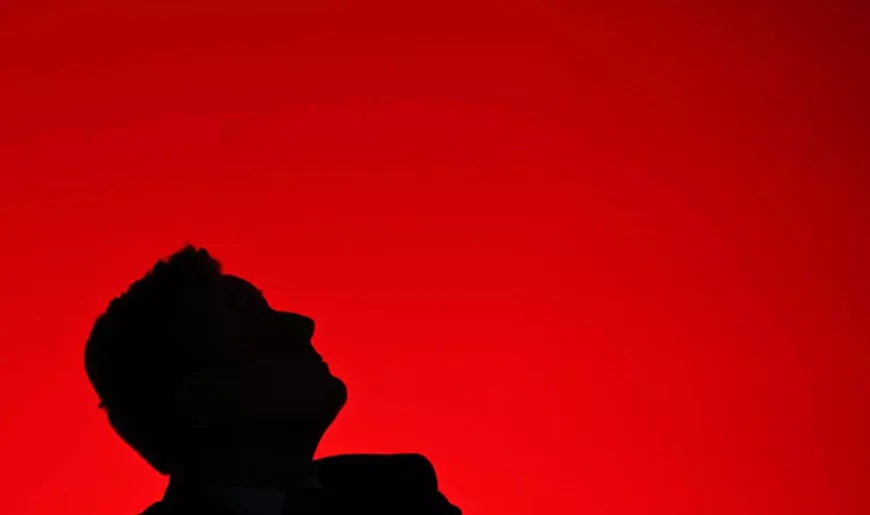
UK leader Keir Starmer swept to power in July 2024 promising to end years of chaos in British politics but has angered voters with numerous U-turns and controversies. Now he faces a likely leadership bid by popular party veteran Andy Burnham after the Greater Manchester mayor won a decisive by-election in the northwest. In his first speech as prime minister on July 5, 2024, Starmer promised a government of "service" that would "tread more lightly" on people's lives following 14 years of Conservative rule dominated by Brexit and infighting.
He sought to make a virtue of his more measured approach, contrasting what he saw as his pragmatic managerialism with the ideological bombast of previous Tory prime ministers Boris Johnson and Liz Truss. "There's no such thing as Starmerism and there never will be," the man himself is said to have told colleagues, according to "Get In", a book about his leadership of the Labour party written by journalists Patrick Maguire and Gabriel Pogrund.
But soon after entering Downing Street, he struggled to be the safe pair of hands he had portrayed, while his lack of ideology and charisma has left him struggling to sell a story of where he is taking the country. He insisted on Friday that "there's more to do and that's what I'm focusing on" as he faced further calls from some of Labour's approximately 400 MPs to step down to avoid a bitter leadership challenge from Burnham and possibly other contenders. - Successful career - Starmer, born on September 2, 1962, was raised in a small semi-detached house on the outskirts of London by a seriously ill mother and an emotionally distant father who loved animals and rescued donkeys. After university, he enjoyed a successful career as a human rights lawyer and chief state prosecutor which led to him being knighted by then Queen Elizabeth II. A keen flautist and Arsenal fan, Starmer became an MP in 2015, succeeding left-winger Jeremy Corbyn as Labour leader five years later, following the party's worst general election defeat since 1935. He showed his ruthless side by purging Corbyn, targeting antisemitism and moving the party back to the more electable centre ground, delivering Labour's biggest election victory in over two decades. On becoming UK leader, Starmer pledged to "fix" Britain after years of sluggish growth, a cost-of-living crisis and public services hollowed out by Tory austerity measures.But he cautioned the road to recovery would be "long and difficult". - Troubles - His premiership got off to a bad start when his government announced a hugely unpopular policy to remove winter fuel payments from millions of elderly people, which had not been in Labour's election manifesto. He later backtracked.
Starmer was also forced into a humiliating climbdown on reforming welfare benefits, backed down in a row with farmers over inheritance tax and angered businesses for increasing a payroll tax and the minimum wage. The early months were also dominated by anger over a free gifts row, while in September 2025, Angela Rayner resigned as deputy prime minister for underpaying a property tax. That same month, Starmer sacked Peter Mandelson as his ambassador to Washington over the depth of the envoy's friendship with late US sex offender Jeffrey Epstein.
The appointment, for which Starmer has apologised, led to the departure of two of his closest aides and the most senior civil servant in the foreign ministry. Starmer himself has refused to quit but the scandal haunts him, contributing to a series of humiliating local election results for Labour in May that renewed calls for his departure. - Burnham challenge - While Starmer has been praised for standing up to US President Donald Trump over the Iran war and maintaining European support for Ukraine, he has struggled to fend off support at home for both the left-wing Greens and the populist, hard-right Reform UK party, led by firebrand Nigel Farage.
A key by-election victory on Friday paved the way for an expected leadership challenge from popular Labour veteran Burnham, who decisively beat a Reform candidate on his home soil in the north of England. Starmer has one of the lowest popularity ratings ever among prime ministers at just 19 percent, according to a YouGov poll. On Friday, Starmer vowed not to "walk away" as leader, saying he would run in any leadership contest but warning that this would plunge the country "into chaos".


 Sponsored by