




















Bangladesh must boost competitiveness to sustain exports: Khalilur
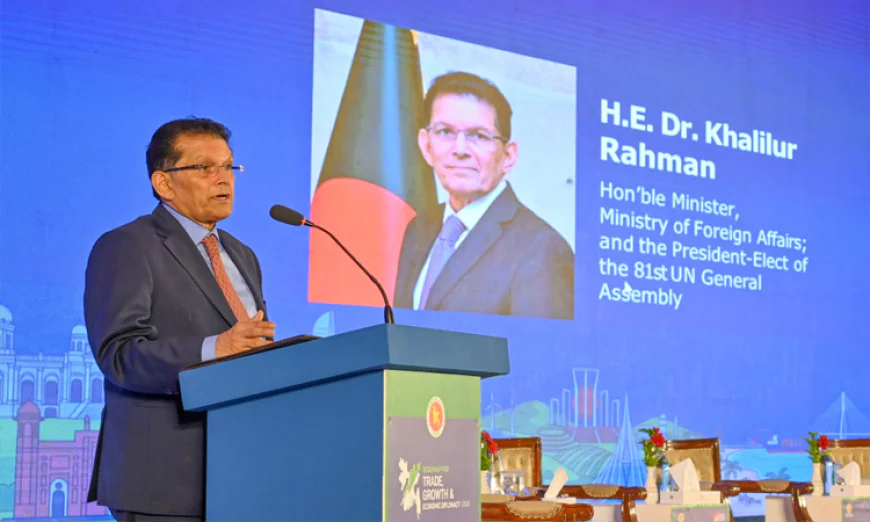
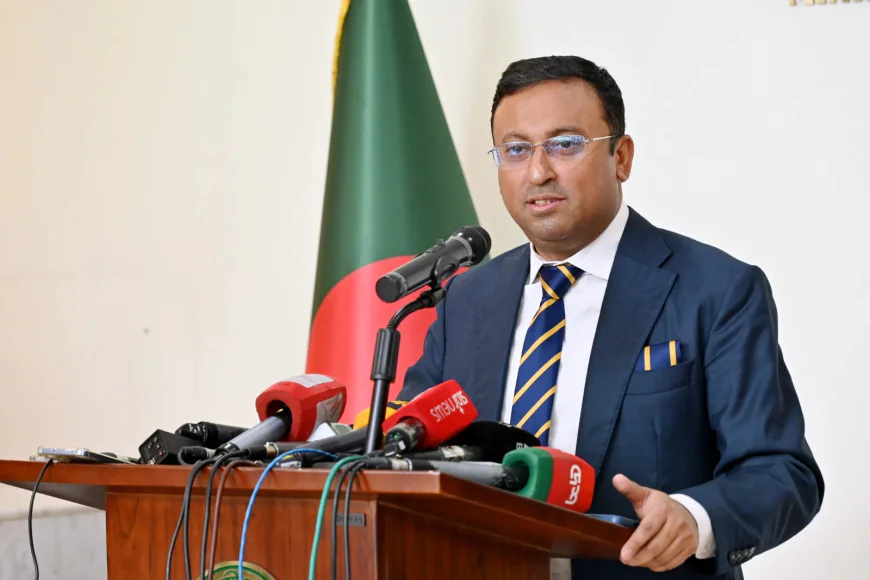
Foreign Minister Dr. Khalilur Rahman today said Bangladesh must compete more fiercely to maintain and expand its export position amid slowing global growth, rising trade barriers, climate vulnerabilities and shifts in global trade and investment patterns. "We will need to compete ever more fiercely in order to maintain and expand our export position," he said while addressing the inaugural session of the "Roadmap to Trade, Growth and Economic Diplomacy Conference" in the capital.
The foreign minister outlined a series of global economic headwinds affecting developing economies, including Bangladesh, and called for a renewed focus on economic diplomacy to transform challenges into opportunities. The conference, jointly organized by the Ministry of Foreign Affairs and the Bangladesh Investment Development Authority (BIDA), brought together senior government leaders, heads of diplomatic missions, development partners, and representatives from the private sector to chart a forward-looking agenda for Bangladesh’s economic engagement.
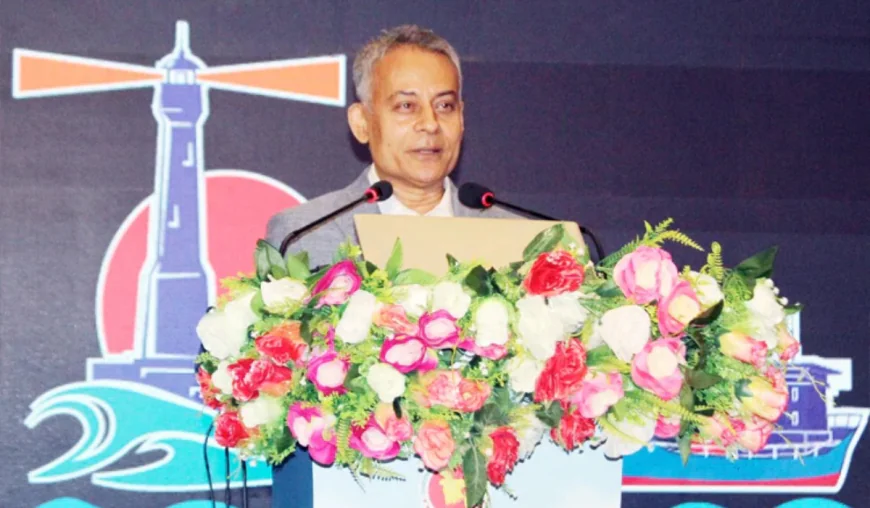
State Minister for Foreign Affairs Shama Obaed Islam, Prime Minister’s Foreign Affairs Adviser Humaiun Kobir and Foreign Secretary Asad Alam Siam also spoke at the event. Dr Rahman, the President-elect of the 81st UN General Assembly, noted that growth prospects in Bangladesh's major export markets remain positive but moderate, a situation likely to dampen consumer demand and affect exports.
The foreign minister said the new government led by Prime Minister Tarique Rahman assumed office at a time when the world economy is confronting slowing economic and trade growth, geopolitical tensions, trade policy uncertainties, climate vulnerabilities, rising trade barriers and major shifts in global supply chains. "Moreover, the ongoing energy crisis has added a new layer of complications," he said. Dr. Khalilur said Bangladesh cannot remain isolated from these developments, which carry significant implications for national policymaking and economic diplomacy.
He said today's conference was convened to facilitate open and purposeful discussions among policymakers, diplomats, development partners and business leaders to support informed decision-making on trade and economic engagement. Highlighting financial vulnerabilities faced by developing countries, the foreign minister said international financial markets and institutions increasingly influence production, trade and investment flows. "Countries like Bangladesh find it harder to raise capital, pay significantly higher borrowing costs and remain acutely vulnerable to swings in market sentiment," he said.
He noted that while advanced economies generally borrow at interest rates between one and four percent, emerging and developing economies often face borrowing costs ranging from six to twelve percent or more. "As a result, our access to affordable and secure financing remains significantly restricted," he added. The foreign minister also underscored the growing nexus between climate vulnerability and financing challenges. Referring to findings from a recent Investment Policy Review conducted by the United Nations Conference on Trade and Development (UNCTAD), he said some climate-vulnerable countries are paying an additional US$20 billion annually in interest because of climate-related risks. "External debt and climate crisis are become intertwined," he observed.
Dr. Rahman warned that the ongoing global energy crisis has already increased Bangladesh's expenditure on imported fuel, affecting production costs and overall competitiveness. He said higher energy prices could also divert resources away from development programmes, potentially creating long-term economic consequences. Citing the International Energy Agency, he noted that the current energy crisis could surpass the scale of the oil shocks of the 1970s, which contributed to a "lost decade" of development for many developing nations during the 1980s.
Drawing lessons from history, the foreign minister recalled that Bangladesh had largely avoided the worst effects of that period due to the foresight of then President Ziaur Rahman, who prioritized agricultural modernization, market liberalization and laid the foundation for the country's ready-made garment industry. The foreign minister also highlighted the transformative impact of emerging technologies on global trade and investment.
He said Trade Tech – the convergence of trade, investment and technology – is reshaping international commerce through innovations such as artificial intelligence, the Internet of Things, blockchain and 5G connectivity. "This poses both a challenge and an opportunity depending on how quickly and effectively countries can take advantage of the fast moving Trade Tech landscape," he said.
Dr. Khalilur said Prime Minister Tarique Rahman's vision for addressing the current global challenges rests on three strategic goals – "stabilize, reform and elevate". "We need to convert his vision into concrete action as it comes to our work on economic and trade diplomacy," he said. The foreign minister stressed that the government's immediate priority is to restore confidence and trust among citizens, businesses and international partners.
"We want to assure our citizens, our local business community, and most importantly our international partners, that Bangladesh is stable, predictable, and open for business," he said. Reaffirming Bangladesh's commitment to its longstanding foreign policy principle of friendship towards all, Dr. Khalilur said the country would continue to pursue mutually beneficial bilateral and multilateral partnerships aimed at promoting shared growth and prosperity. He said Bangladesh's embassies and high commissions abroad are being restructured to serve as proactive facilitators of trade and investment while helping modernize trade agreements, pursue reciprocal market access and support economic integration.
Addressing the business community, the foreign minister pledged comprehensive reforms to improve the ease of doing business and remove systemic obstacles to investment and entrepreneurship. "You are the driving force of our economic progress, and this government stands fully ready to power your growth," he said. He added that the government is committed to replacing bottlenecks with policy predictability, transparency and a level playing field for businesses ranging from small and medium enterprises to major industrial conglomerates.
The foreign minister said the government has already received an encouraging response from domestic and international stakeholders during its first 100 days in office. Describing political transition as an opportunity for transformation, he said the government possesses the political will, strategic vision and commitment necessary to position Bangladesh as the most competitive investment destination in South Asia.
He urged diplomats and business leaders to become active partners in Bangladesh's development journey and called for sustained dialogue to strengthen trust and unlock the country's economic potential. "Measure us by our actions, hold us to our commitments, and walk with us as we rebuild trust and unlock the true, vibrant potential of Bangladesh," he said.
The conference features three thematic sessions: "The Policy Compass – Advancing Trade & Investment," focusing on policy predictability, market access and investor confidence; "Capital for Growth – Finance, Commerce and Trade," which examines financing reforms and investment mobilization; and "The New Stage – Government Policy, AI, Creative Industries and Sport," highlighting emerging growth sectors and opportunities for economic diversification. According to the Ministry of Foreign Affairs, the "Roadmap for Trade, Growth & Economic Diplomacy 2026" conference is being held at a critical time marked by global transitions, mounting risks and growing uncertainties.
The conference seeks to strengthen the link between policymaking and implementation, enhance Bangladesh's economic diplomacy efforts, and foster stronger partnerships with the international community to support sustainable trade and economic growth.



 Sponsored by