



































Muktadir Calls for Lower Logistics Costs, Higher Farm Productivity to Curb Food Inflation
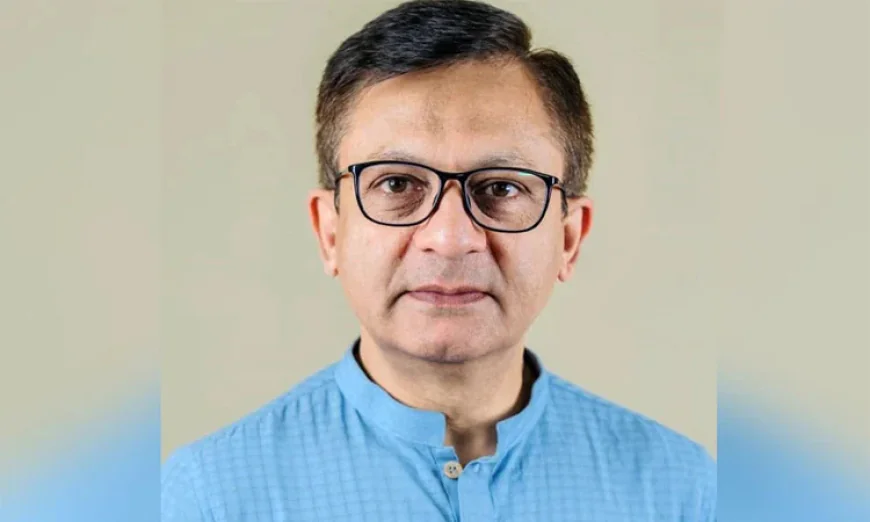
Commerce Minister Khandakar Abdul Muktadir today stressed the need to reduce logistics costs and increase agricultural productivity to curb persistently high food inflation in Bangladesh. “High logistics expenses, rising production costs and market irregularities remain key factors behind elevated food prices,” he said.
The minister made the remarks while speaking as the chief guest at a dialogue titled "Food Value Chain in Bangladesh: Market System, Profit Margin, and Role of Intermediaries," organized by the Centre for Policy Dialogue (CPD) at the BRAC Centre in the city. Muktadir said logistics costs in Bangladesh account for around 16 percent of GDP, significantly higher than the global average of about 10 percent, adding that lowering these costs would help bring down food prices.
To improve market efficiency, Muktadir said the government is introducing a traceability system across the entire food supply chain—from production to the consumer level—to identify where abnormal price increases and excessive costs occur and eliminate informal charges. The commerce minister said nearly 1.78 crore farming families have limited incomes and savings, restricting their ability to invest in modern technology.
He also identified information asymmetry as a major challenge, saying farmers often lack reliable market information needed for production planning and fair pricing. Calling for a technology-driven transformation of agriculture, he said the time has come to move beyond input subsidies toward an integrated agricultural management system tailored to Bangladesh's soil, climate and farming conditions.
While successive governments have provided subsidies for fertilizers, seeds and irrigation, he said, a coordinated approach based on research and innovation is now essential to improve productivity and strengthen food security. Describing agriculture as a high-risk sector dependent on natural conditions, unlike controlled industrial production, the minister underscored the need for sustained government support, scientific research and modern farming practices to ensure long-term food security.
The dialogue, moderated by CPD Executive Director Dr. Fahmida Khatun, featured a keynote presentation by CPD Senior Research Associate Fakhruddin Al Kabir. In his presentation, Fakhruddin Al Kabir urged the government to undertake comprehensive market reforms, including reducing unnecessary intermediaries, strengthening market oversight, and ensuring greater price transparency to contain food inflation and protect both consumers and producers.
He recommended streamlining food supply chains by eliminating unnecessary intermediary layers and creating more direct marketing channels between farmers and consumers to improve market efficiency. He also called for closer monitoring of wholesale markets to detect trader collusion and dismantle the dominance of powerful procurement intermediaries. To enhance competition, he suggested promoting digital trading platforms and strengthening farmer cooperatives so producers can access multiple buyers and secure fairer prices for their products.
Highlighting the importance of infrastructure, he called for increased investment in modern cold storage facilities, refrigerated transport and other post-harvest management systems to reduce losses of perishable commodities. Among others, former Bangladesh Agricultural University Vice-Chancellor Professor Dr. Abdus Sattar Mandal, former Finance Secretary Siddiqur Rahman, former National Board of Revenue Chairman Abdul Majid, and Bangladesh Garments Sramik Samhati President Taslima Akhter Lima also spoke.





 Sponsored by