


























Technology innovation key to Bangladesh's economic sovereignty: Bobby Hajjaj
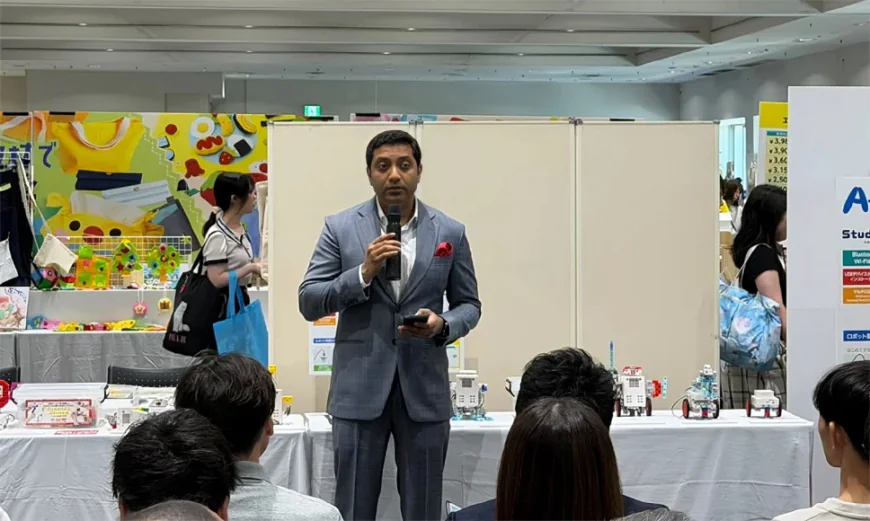
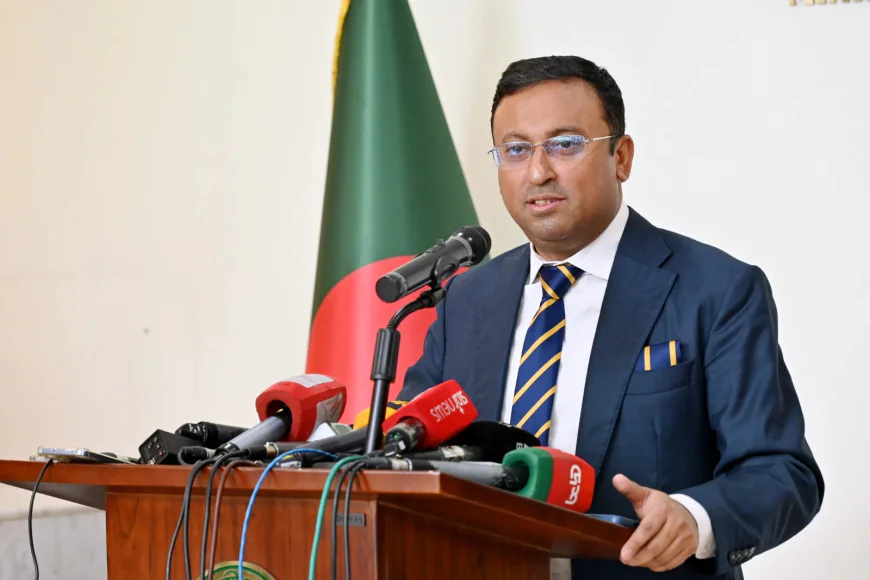
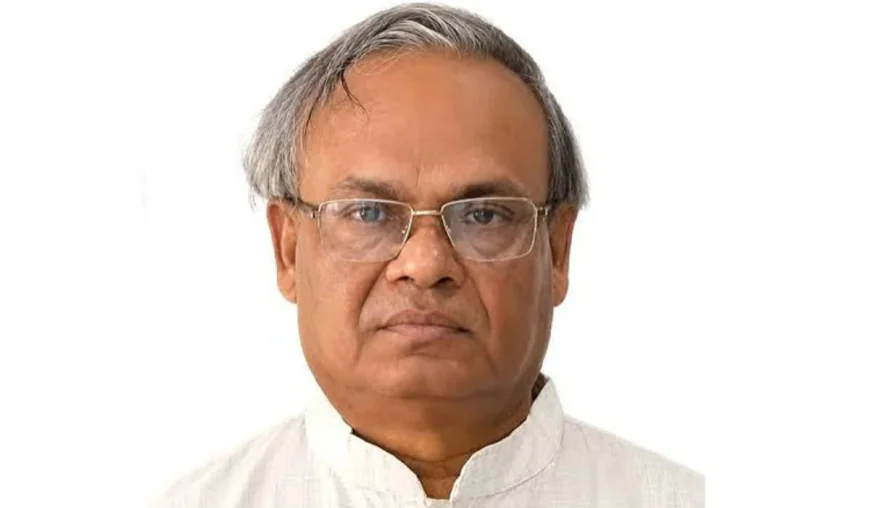
State Minister for Primary and Mass Education, Bobby Hajjaj has said that technological innovation driven by strong STEAM education is essential for achieving the country's economic sovereignty, stressing that nations relying solely on imported technology remain dependent on others.
"A country that only purchases and uses technology will always remain dependent. True economic sovereignty comes when a nation develops the human capital to innovate and adapt technology to its own needs," he said.
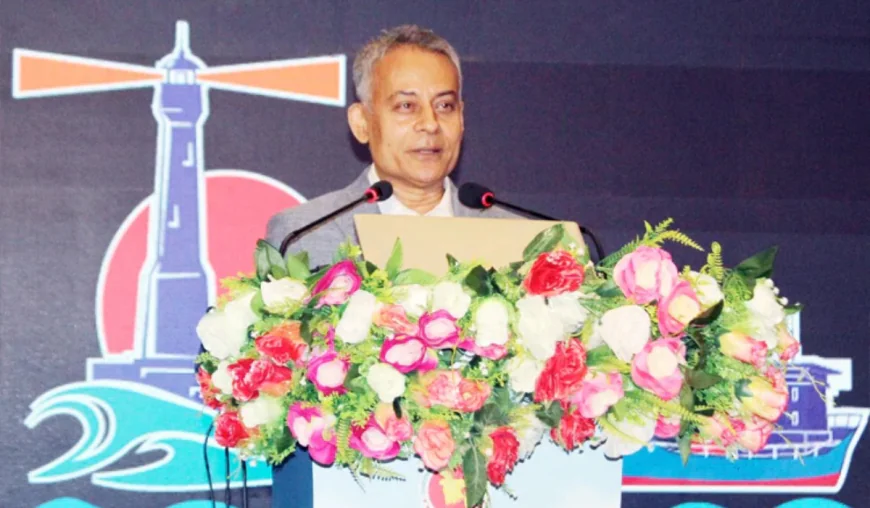
He was speaking as the chief guest at the "Artec General Exhibition 2026" in Osaka, Japan today, said a ministry press release.
"Bangladesh is committed to building a workforce capable of understanding, adapting and creating technology through STEAM (Science, Technology, Engineering, Arts and Mathematics) education from the primary level," he said.
Citing Japan's development as a model Bangladesh seeks to emulate, he said the government's vision extends beyond teaching science and technology, focusing instead on nurturing curiosity, critical thinking, problem-solving and practical learning while moving away from rote memorization.
Highlighting Bangladesh's demographic strength, the state minister noted that the country has a workforce of more than seven crore, making early investment in STEAM education vital for building a diversified, knowledge-based and high-value economy.
Drawing lessons from Japan's post-war reconstruction and the Meiji Restoration, he said sustained investments in education, technology, discipline and innovation transformed Japan into a global economic leader, offering valuable inspiration for Bangladesh.
Hajjaj said the government has prioritized addressing foundational learning challenges in primary education by strengthening literacy, numeracy and essential skills among children.
He also emphasized that effective STEAM education does not necessarily require expensive technology. Activities such as planting trees, testing local water quality, measuring rainfall, building paper bridges and designing simple engineering solutions to local problems can provide meaningful hands-on learning experiences.
The state minister said Bangladesh plans to gradually expand mathematics laboratories, science clubs and basic robotics education while equipping teachers with the necessary training to confidently deliver STEAM-based instruction.
He praised the educational tools and teaching methods showcased at the Artec General Exhibition, describing them as simple, modular, practical and affordable, and said such innovations could be effectively adapted to Bangladesh's education system.
Hajjaj further stressed that education should empower students to identify problems, analyze challenges and develop practical solutions, particularly in the face of global issues such as climate change, river erosion, rapid urbanization, food security, automation and artificial intelligence.




 Sponsored by