
















'Awami Fascist Force Will Never Be Allowed to Return to Politics in Bangladesh': Home Minister
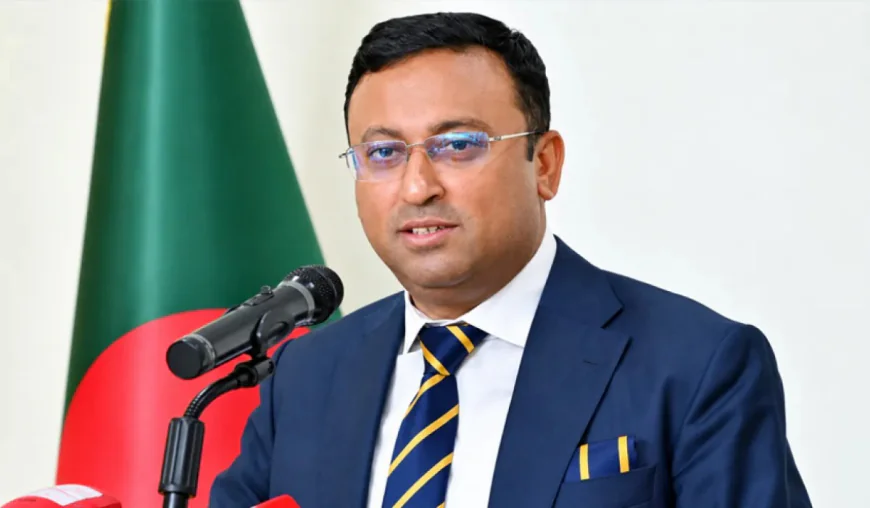
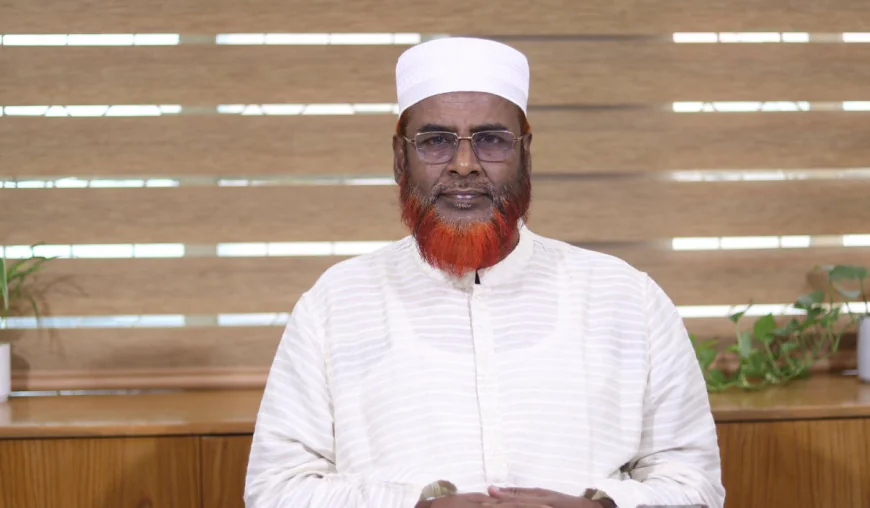
Home Minister Salahuddin Ahmed has said the Awami League, which he described as a "fascist force," will never again be allowed to engage in politics in Bangladesh, accusing its leaders and activists of involvement in enforced disappearances, mass killings and crimes against humanity over the past 17 years.
There is no place for fascism or autocracy in Bangladesh after the 2024 student-led mass uprising," the minister said, adding that those involved in alleged mass killings would be brought to justice through the International Crimes Tribunal.
He also said the number of tribunals could be increased if necessary to ensure all accused face trial.
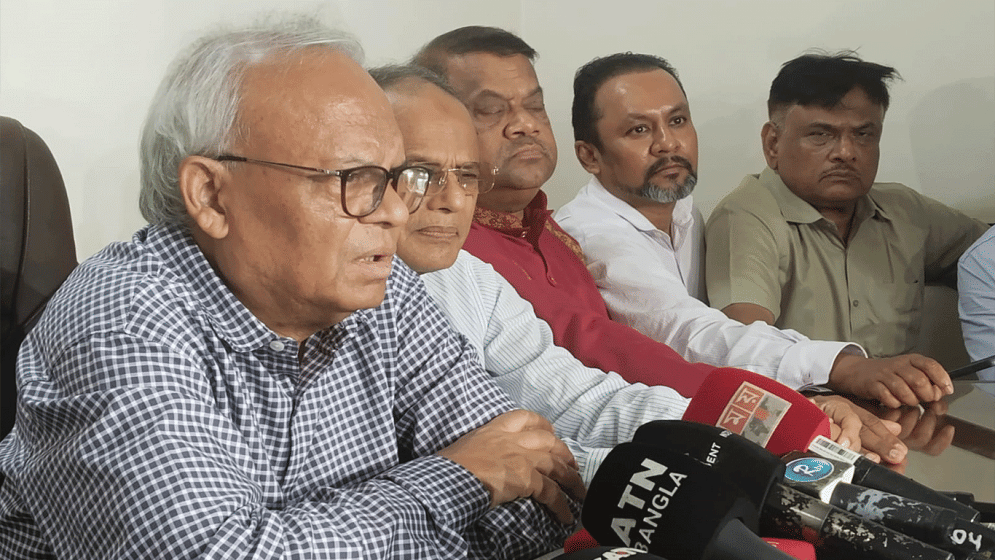
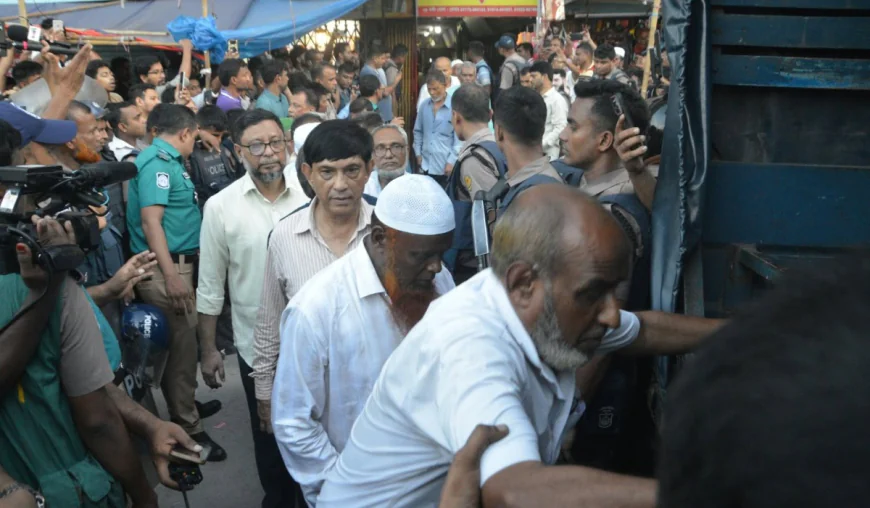
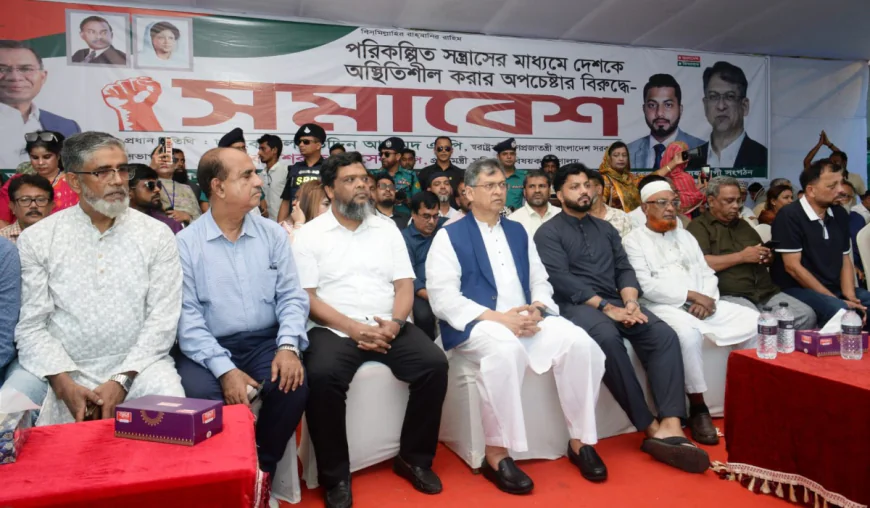
The minister made the remarks as chief guest at a protest rally held at Sadek Hossain Khoka Field near Dholaikhal in Dhaka on Saturday. The rally was organised by local leaders and activists of Bangladesh Nationalist Party and its affiliated organisations, led by Liberation War Affairs State Minister and Dhaka-6 lawmaker Engineer Ishraque Hossain, in protest against what they described as attempts to destabilise the country.
Ishraque Hossain presided over the rally.
'We want Sheikh Hasina brought back to face justice'
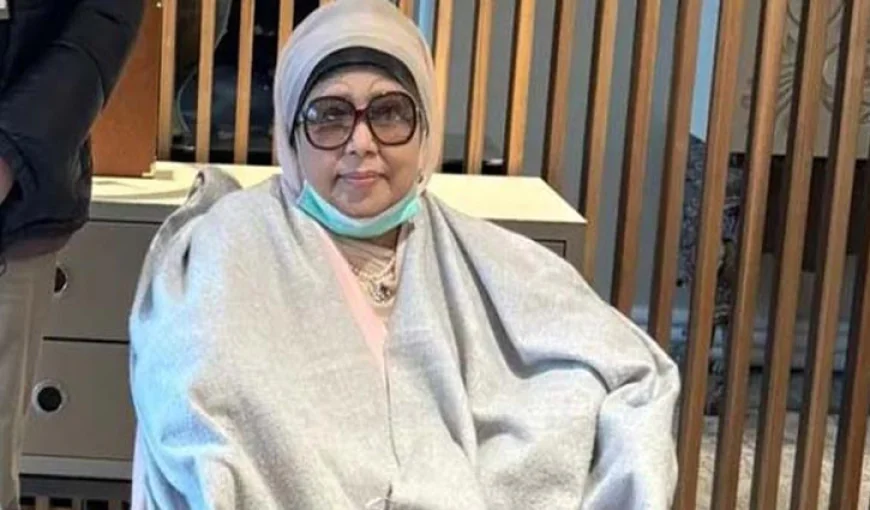
Addressing reports about virtual meetings involving former Prime Minister Sheikh Hasina and other former Awami League leaders currently in India, as well as rumours of her possible return in December, Salahuddin said Hasina is a convicted accused in crimes against humanity and has been sentenced to death.
He said the government had formally sought her return through the Ministry of Foreign Affairs under the extradition treaty between Bangladesh and India.
We also want her to return to this country and face justice," the minister said.
He also urged governments of countries where convicted fugitives are staying to hand them over.
We have completed trials according to international standards. They will have the opportunity to appeal through the judicial process if they wish, but no one can escape facing justice or serving their sentence," he said.
Calls for changes in political culture
The home minister also called for an overhaul of Bangladesh's political culture, particularly urging parties and supporters to avoid personality-centred slogans.
He said slogans centred on individual leaders should not define political activity.
The 2024 mass uprising has taught us many lessons," he said, adding that political slogans should instead focus on opposing fascism and honouring those who lost their lives during the movement.
Government's seven-month record
Salahuddin also outlined what he described as the government's achievements during its first seven months in office.
He said the government had been formed amid broad public expectations and was working to maintain political discipline, pursue constitutional reforms and strengthen democracy.
At the same time, he criticised what he described as attempts by a political group to launch a "one-point" movement aimed at bringing down the government only seven months after it took office.
He said opposition parties had been given opportunities to participate in the constitutional reform process but had instead taken to the streets.
He referred to planned long marches and political programmes, saying the people had understood what he described as the strategy behind such activities.
"There may be grounds for a movement after four years, but such activities seven months into the government's tenure have no basis," he said.
Fuel price adjustment
Speaking about the recent increase in fuel prices, Salahuddin said rising international prices had made the adjustment necessary.
He said fuel prices had increased substantially in many countries, including neighbouring states.
According to the minister, Prime Minister Tarique Rahman had initially kept prices unchanged for the first month to prevent additional hardship.
However, he said a minimum adjustment had eventually been made to prevent fuel smuggling across the border and to bring domestic prices in line with international market conditions.
Expressing regret over the temporary hardship, the minister assured the public that prices would be reduced proportionately as soon as international prices declined.
Call for unity against fascism
Concluding his speech, Salahuddin Ahmed called on people to remain united against what he termed fascism and to work collectively to strengthen the democratic process.
He said the same unity that had brought an end to what he described as fascist rule through sacrifices on the streets was now necessary to consolidate democracy.


 Sponsored by